We may earn a commission for purchases through links on our site at no cost to you, Learn more.
- Service is any action to fulfill customer needs and desires.
- Key service components include accessibility, responsiveness, competence, courtesy, credibility, security, and understanding the customer.
- Exceptional service drives customer satisfaction and loyalty.
- Superior service offers a competitive advantage.
- Great service leads to revenue growth and opportunities for upselling.
- Service quality significantly impacts brand reputation.
- Different service types include customer service, technical support, professional services, and self-service.
- Understanding customer needs is foundational to delivering excellent service.
- Training and empowering employees enhance service quality.
- Leveraging technology can streamline and improve service delivery.
- Continuous monitoring and improvement are essential for outstanding service.
In today’s fast-paced and highly competitive business environment, the concept of service has evolved into a fundamental pillar for success. But what service is, in its essence, goes beyond mere customer interactions or product support. It encompasses a broad spectrum of activities designed to meet the needs and expectations of customers, thereby fostering loyalty and driving business growth.
This blog post delves deep into the multifaceted nature of service, examining its various dimensions, the significance it holds in the modern marketplace, and how businesses can excel in providing outstanding service.
What Service Is?
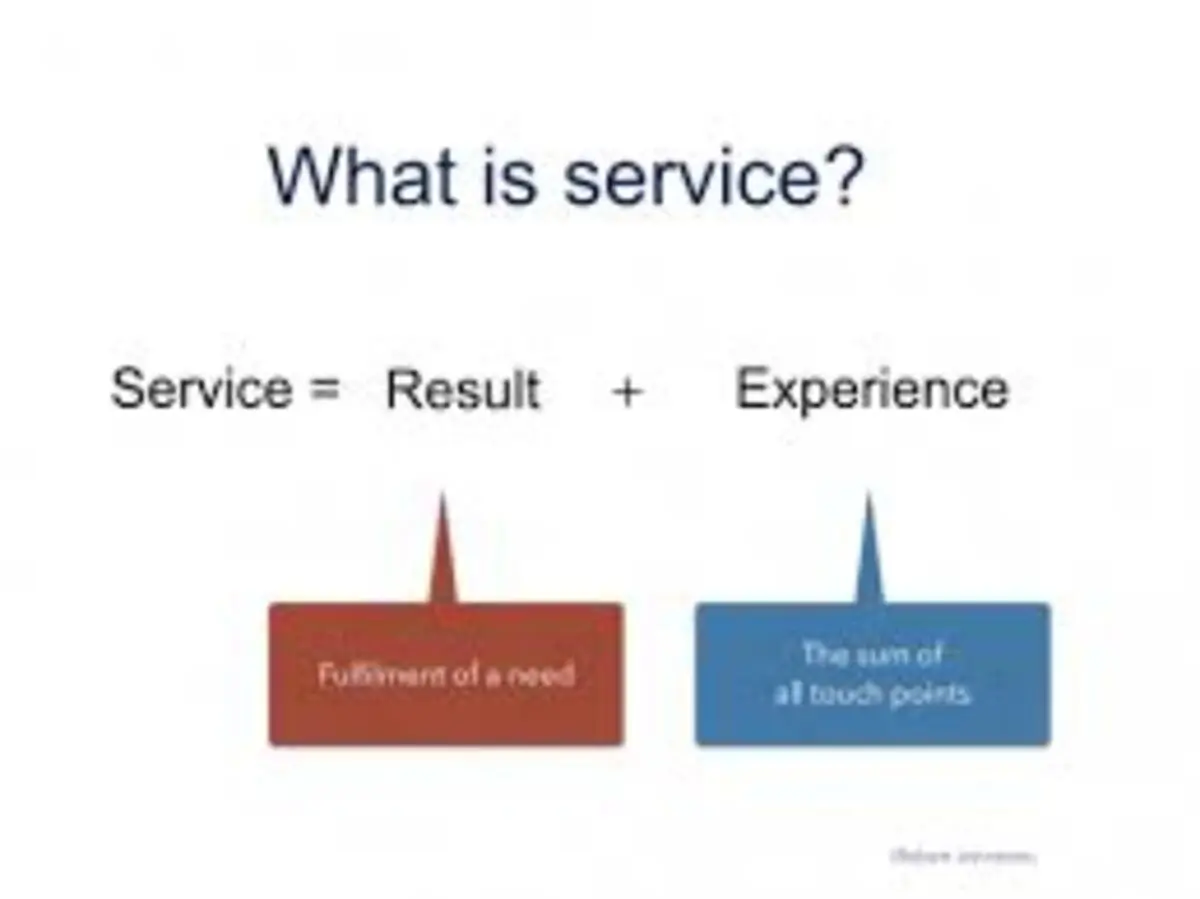
Before diving into the specifics, it is crucial to understand what service is at its core. Service can be broadly defined as any action or series of actions undertaken to fulfill the needs or desires of a customer. Unlike tangible products, services are intangible and often involve a direct interaction between the service provider and the customer.
This interaction can take many forms, such as in-person assistance, online support, or automated services delivered through technology.
The Components of Service
Service comprises several key components that collectively shape the customer experience. These include:
- Accessibility: How easily customers can access the service.
- Responsiveness: The speed and efficiency with which the service is provided.
- Competence: The skill and knowledge of the service provider.
- Courtesy: The politeness and respect shown to customers.
- Credibility: The trustworthiness and reliability of the service.
- Security: Ensuring customer information and interactions are safe and confidential.
- Understanding the Customer: Recognizing and addressing individual customer needs.
Each of these components plays a vital role in determining what service is in practice and how it is perceived by customers.
The Importance of Service in Business
Understanding what service is and its importance is crucial for any business aiming to thrive in the modern market. Exceptional service can differentiate a company from its competitors, build lasting customer relationships, and enhance overall brand reputation. Let’s explore the key reasons why service is so important.
Customer Satisfaction and Loyalty
One of the primary reasons service is crucial is its direct impact on customer satisfaction and loyalty. Satisfied customers are more likely to return, recommend the business to others, and provide positive reviews. This not only boosts repeat business but also attracts new customers through word-of-mouth.
Competitive Advantage
In markets where products are often similar in quality and price, service becomes a key differentiator. Companies that excel in providing superior service can stand out and gain a competitive edge. This advantage can be particularly significant in industries where customer experience is a critical factor, such as hospitality, retail, and healthcare.
Revenue Growth
Improved customer satisfaction and loyalty can lead to increased sales and revenue growth. Happy customers tend to spend more and are less likely to be swayed by competitors. Additionally, exceptional service can open up opportunities for upselling and cross-selling, further enhancing revenue potential.
Brand Reputation
What service is also about shaping the perception of a brand. Consistently excellent service helps build a strong, positive brand reputation. Conversely, poor service can quickly tarnish a brand’s image and lead to negative publicity.
In the age of social media, where customer feedback can reach a wide audience, maintaining high service standards is more critical than ever.
The Different Types of Service
To fully grasp what service is, it is essential to recognize the different types of service that businesses can offer. These can be broadly categorized into several types, each with its unique characteristics and applications.
Customer Service
Customer service is perhaps the most commonly recognized type of service. It involves assisting customers before, during, and after a purchase to ensure a smooth and satisfactory experience. This can include answering inquiries, resolving issues, and providing guidance on product usage.
Technical Support
Technical support is a specialized form of service that focuses on helping customers with technical problems related to a product or service. This can involve troubleshooting, repair services, and providing information on how to use complex products. Technical support is especially important in industries such as IT, telecommunications, and consumer electronics.
Professional Services
Professional services encompass a range of specialized services provided by experts in fields such as consulting, legal, accounting, and marketing. These services require a high level of expertise and are often tailored to meet the specific needs of individual clients or businesses.
Self-Service
Self-service allows customers to perform certain tasks or access information on their own, typically through digital platforms. Examples include online banking, e-commerce websites, and automated kiosks. Self-service options can enhance convenience and efficiency for customers while reducing the workload for service staff.
How to Deliver Outstanding Service?
Having understood what service is and its importance, the next step is to explore how businesses can deliver outstanding service consistently. Here are some key strategies to achieve this goal.
Understand Customer Needs
The foundation of excellent service is a deep understanding of customer needs and preferences. Businesses can gather this information through various means, such as surveys, feedback forms, and direct interactions. By understanding what customers value most, companies can tailor their services to meet these expectations effectively.
Train and Empower Employees
Employees are the frontline of any service operation. Providing comprehensive training and empowering them to make decisions can significantly enhance service quality. Training should cover not only technical skills but also interpersonal skills, such as communication, empathy, and problem-solving.
Leverage Technology
Technology can play a crucial role in enhancing service delivery. Customer relationship management (CRM) systems, for example, can help businesses track and manage customer interactions more effectively.
Additionally, automation and artificial intelligence (AI) can streamline processes and provide faster, more accurate responses to customer inquiries.
Monitor and Improve Continuously
Delivering outstanding service is an ongoing process that requires continuous monitoring and improvement. Businesses should regularly assess their service performance through metrics such as customer satisfaction scores, response times, and resolution rates. Feedback from customers should be used to identify areas for improvement and implement necessary changes.
Frequently Asked Questions
Here are some of the related questions people also ask:
What is the definition of service in a business context?
Service in a business context is any action or series of actions undertaken to fulfill the needs or desires of a customer, encompassing aspects like accessibility, responsiveness, competence, courtesy, credibility, security, and understanding the customer.
Why is customer service important for a business?
Customer service is crucial as it directly impacts customer satisfaction and loyalty, providing a competitive advantage, boosting revenue growth, and shaping a positive brand reputation.
What are the different types of services businesses can offer?
Businesses can offer various types of services, including customer service, technical support, professional services, and self-service options.
How can businesses improve their service delivery?
Businesses can improve service delivery by understanding customer needs, training and empowering employees, leveraging technology, and continuously monitoring and improving service performance.
What role does technology play in enhancing service quality?
Technology enhances service quality by streamlining processes, enabling faster and more accurate responses, and providing tools like customer relationship management (CRM) systems and automation for efficient service management.
How does excellent service impact a company’s revenue?
Excellent service leads to higher customer satisfaction and loyalty, which increases repeat business and creates opportunities for upselling and cross-selling, ultimately driving revenue growth.
What are the key components of outstanding service?
The key components of outstanding service include accessibility, responsiveness, competence, courtesy, credibility, security, and a deep understanding of customer needs and preferences.
The Bottom Line: How to Improve Service Quality?
Understanding what service is and its profound impact on business success is essential for any organization aiming to thrive in today’s competitive landscape. Service is not just about addressing customer inquiries or resolving issues; it is about creating meaningful interactions that foster loyalty, build trust, and enhance the overall customer experience. By recognizing the various types of service, acknowledging its importance, and implementing strategies to deliver outstanding service, businesses can position themselves for long-term success.
The journey to excellent service involves understanding customer needs, training and empowering employees, leveraging technology, and continuously monitoring and improving service performance. As businesses evolve and customer expectations continue to rise, those that prioritize and excel in service will undoubtedly stand out and achieve sustained growth.
Ultimately, what service is, at its core, is a commitment to meeting and exceeding customer expectations, thereby driving both customer satisfaction and business success.